
Types of Ball Screws
July 12, 2023 · 3 min read
Roller screws are a commonly used transmission component, widely used in various mechanical equipment. According to their structure and working principle, roller screws can be divided into the following types:
1、Internal circulating roller screws: The roller balls of internal circulating roller screws roll inside the nut, making their structure relatively compact and suitable for applications with limited space. The manufacturing process for internal circulating roller screws is relatively complex and costly.
2、External circulating roller screws: The roller balls of external circulating roller screws roll outside the screw, making their structure relatively simple and manufacturing costs lower. However, due to the external rolling of the roller balls, the load-bearing capacity of external circulating roller screws is relatively low, making them suitable for applications with small loads.
3、Support-type roller screws: Support-type roller screws have a support device between the screw and the nut, which can improve their rigidity and load-bearing capacity. Support-type roller screws are suitable for applications with high loads and speeds, such as machine tool processing and automated production lines.
4、Double-end supported roller screws: Double-end supported roller screws have support devices at both ends, which can improve their rigidity and load-bearing capacity, making them suitable for applications with high loads and speeds.
5、High-speed roller screws: High-speed roller screws have a special design and manufacturing process for their screws and nuts, which can maintain high accuracy and stability during high-speed operation. High-speed roller screws are suitable for high-speed machining and high-speed automated production lines.
6、Miniature roller screws: Miniature roller screws are usually used in small mechanical equipment and micro-robots, with a diameter usually below 3mm and high accuracy and rigidity.
It is important to choose the appropriate type and specification of roller screw based on specific application requirements and conditions. This can ensure the stable operation and precision of mechanical equipment. Furthermore, the selection of roller screws should also consider factors such as cost and ease of maintenance, in order to achieve the best cost-effectiveness.
Related products
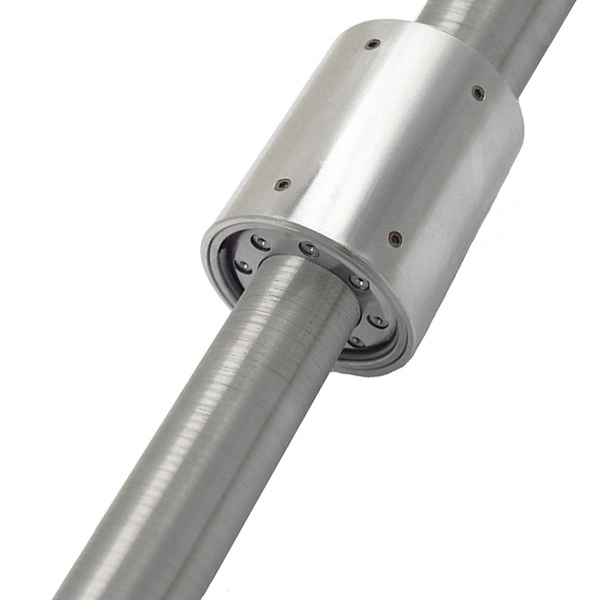
STR SERIES
STR SERIES is part of the Series Motion planetary roller screw portfolio.
View product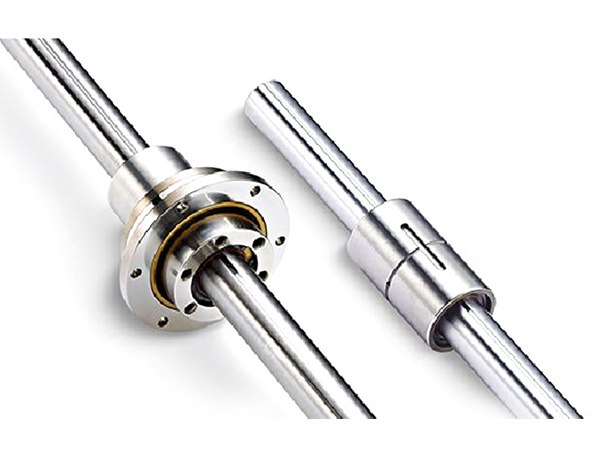
SL SERIES
Ball Spline is a precision mechanical transmission element suitable for applications requiring high precision, high rigidity, high speed and large loads, especially for round-trip and rotary movements.
View productSO SERIES
Ball Spline is a precision mechanical transmission element suitable for applications requiring high precision, high rigidity, high speed and large loads, especially for round-trip and rotary movements.
View product