
Detailed explanation of the main reasons for the temperature rise of the ball screw
July 12, 2023 · 3 min read
The temperature rise of the ball screw refers to the phenomenon that the temperature of the ball screw increases during operation due to factors such as friction and rolling between the ball and the guide rail, mechanical vibration, etc. The main reasons for the temperature rise of the ball screw include the following:
1、Friction between the ball and the guide rail: During operation, friction occurs between the ball and the guide rail, and the frictional force converts the mechanical energy of the ball screw into heat, causing the temperature to rise.
2、Rolling of the ball: The ball rolls during operation, and rolling friction also generates heat, causing the temperature to rise.
3、Mechanical vibration of the ball screw: During operation, the ball screw is affected by mechanical vibration, which reduces the contact area between the ball and the guide rail, leading to a local temperature rise.
4、Ambient temperature and humidity: The ambient temperature and humidity also affect the temperature rise of the ball screw. In high temperature and high humidity environments, the temperature rise of the ball screw is more significant.
5、Lubrication method: The lubrication method of the ball screw also affects its temperature rise. Insufficient lubrication or improper use of lubricating oil can increase friction, causing the temperature of the ball screw to rise.
In practical applications, the temperature rise of the ball screw not only affects its service life and accuracy but may also affect the entire mechanical system. Therefore, corresponding measures need to be taken to reduce the temperature rise of the ball screw, such as selecting a reasonable lubrication method and lubricant, improving the environmental conditions, optimizing mechanical design, etc.
Related products
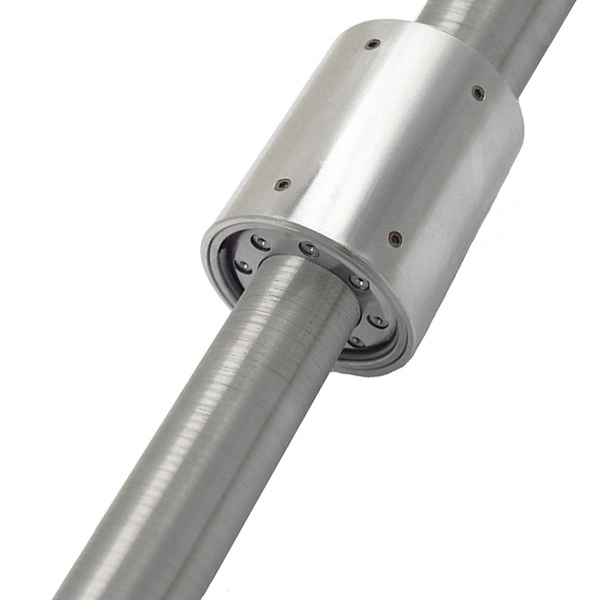
STR SERIES
STR SERIES is part of the Series Motion planetary roller screw portfolio.
View product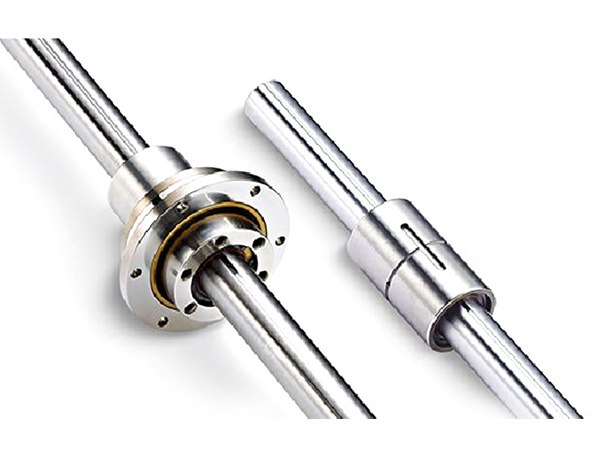
SL SERIES
Ball Spline is a precision mechanical transmission element suitable for applications requiring high precision, high rigidity, high speed and large loads, especially for round-trip and rotary movements.
View productSO SERIES
Ball Spline is a precision mechanical transmission element suitable for applications requiring high precision, high rigidity, high speed and large loads, especially for round-trip and rotary movements.
View product