
In addition to the accuracy level, what other indicators can be used to evaluate the performance of the ball screw
July 12, 2023 · 3 min read
1、Load capacity: The load capacity of a ball screw refers to the maximum load it can bear. When selecting a ball screw, it is necessary to choose a suitable specification and model according to the actual load requirements.
2、Rigidity: Rigidity refers to the extent of deformation of the ball screw when it is subjected to a load. The higher the rigidity, the smaller the deformation of the ball screw during transmission and the higher the accuracy.
3、Life: Life refers to the service life of the ball screw during use, which is affected by factors such as material, lubrication method, and working environment.
4、Return accuracy: Return accuracy refers to the error of the ball screw during rotation, i.e., its repeat positioning accuracy. Return accuracy is related to the accuracy level and other factors of the ball screw.
5、Rated speed: Rated speed refers to the maximum speed that a ball screw can withstand at a rated load. Exceeding the rated speed can affect its life and accuracy.
6、Friction force: Friction force refers to the force of friction during the movement of the ball screw. The smaller the friction force, the higher the accuracy and life of the ball screw.
7、Noise: Noise refers to the sound produced by the ball screw during operation. The smaller the noise, the higher the accuracy and stability of the ball screw.
Related products
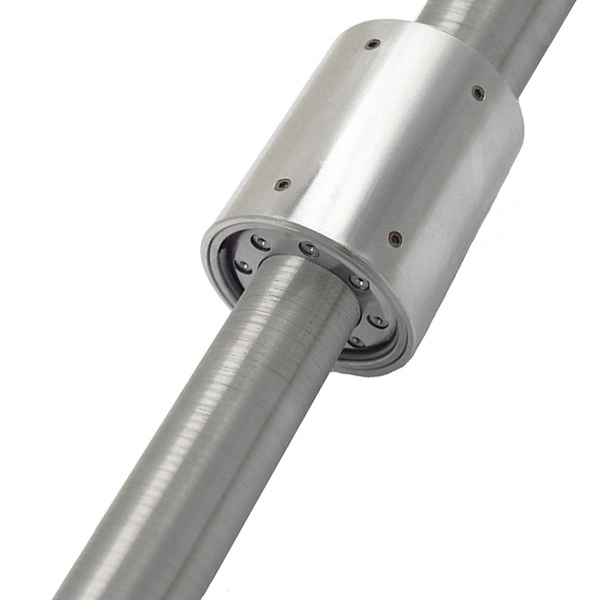
STR SERIES
STR SERIES is part of the Series Motion planetary roller screw portfolio.
View product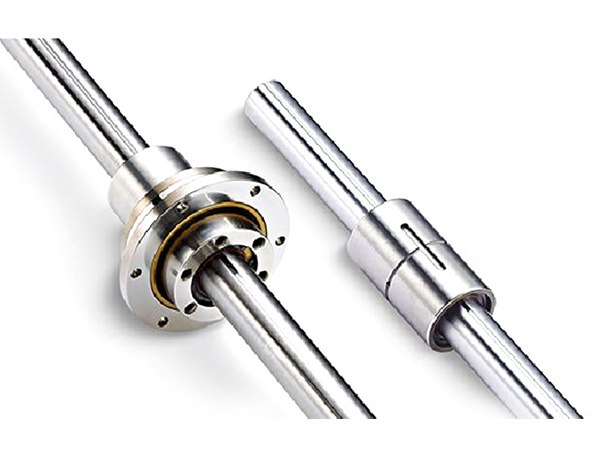
SL SERIES
Ball Spline is a precision mechanical transmission element suitable for applications requiring high precision, high rigidity, high speed and large loads, especially for round-trip and rotary movements.
View productSO SERIES
Ball Spline is a precision mechanical transmission element suitable for applications requiring high precision, high rigidity, high speed and large loads, especially for round-trip and rotary movements.
View product