
Ball Screw Seals, Wipers and Covers: Define the Protection Boundary
November 5, 2026 · 6 min read
Ball nut seals and machine covers protect different boundaries. Start with how contaminants can reach the screw, then review the proposed nut protection and the surrounding enclosure together. The presence of a wiper is not, by itself, a defined protection rating for the installed axis.
Describe what reaches the mechanism
Record the contaminant, its source, direction and frequency. Dry dust, sharp chips, coolant splash and cleaning liquid present different conditions. Include whether material settles on exposed screw sections, is carried toward the nut during movement or can collect around the supports.
Describe cleaning as an operating condition rather than a general requirement for “waterproof” equipment. State the fluid, temperature, contact method and any pressure or chemical exposure that matters. Do not assign compatibility or ingress resistance from a seal name or a product photograph.
Distinguish contact protection from enclosure
Ball screw manufacturers use different nut-end protection designs, including labyrinth, brush and contact-wiper arrangements. Their applicability depends on the selected nut and contamination conditions. A name does not establish a common construction, clearance, service life or interchangeable fit across suppliers.
A nut-end feature addresses the local interface around the screw as it enters the nut. It does not enclose every exposed shaft section, support bearing or drive component. Bellows, telescopic covers or an enclosing machine guard can address a wider area, but their joints, attachments and access openings also need review.
| Boundary | Check | Evidence to request |
|---|---|---|
| Exposed screw | Where deposits or liquid can contact the moving path | Layout and exposure description |
| Nut entry | Protection fitted to the exact nut and its operating condition | Assembly drawing and applicable seal/wiper information |
| Cover and attachments | Coverage, joints, accumulated material and access | Full-travel installation envelope |
| Lubrication route | Delivery and replenishment with protection installed | Service method and accessible connection locations |
| Other components | Support bearings, couplings and drive exposure | Separate component requirements where applicable |
Check protection at both travel ends
Show the cover’s compressed and extended conditions, mounting positions and permitted movement. Include nut attachments, grease connections, nearby structure and the actual working range. A cover that fits in a mid-stroke view can still interfere at an endpoint or restrict service access.
Use the cover supplier’s defined dimensions and operating limits. Do not infer the required compressed length from stroke alone or assume that a flexible cover can tolerate any extension. Review how trapped material will be removed without pushing it into the nut or damaging the protective element.
Keep lubrication and corrosion requirements visible
Contamination protection does not replace the required lubricant or its delivery method. Confirm that the proposed arrangement permits replenishment and inspection. Ask whether the protection changes running resistance or the assembly envelope; use product-specific data rather than a generic allowance.
Excluding particles, resisting liquid ingress and resisting corrosion are separate requirements. A coating or material description alone does not establish a sealed assembly, and a cover alone does not establish compatibility with every cleaning fluid. Identify the actual components and the conditions to be verified.
Request a complete protection proposal
Attach the exposure description, motion range and installation drawing. Identify the intended nut protection, external covers, lubrication connections and cleaning/service access. State which items must be supplied and which belong to the machine builder.
The miniature ball screw family provides a starting reference. It does not confirm that any particular seal, bellows, coating or ingress-rated arrangement is available for a listed model. Obtain the proposed configuration and its limitations explicitly.
Send the contamination and cover layout for review with the conditions that still need confirmation.
Related reading
Related products
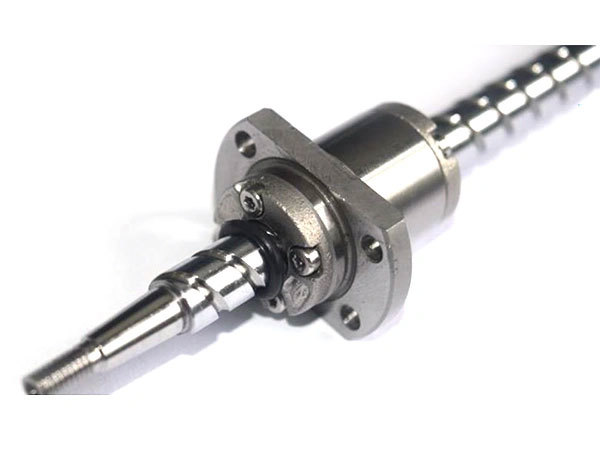
Ground Miniature Ball Screw
Ground miniature ball screws use ground raceways. Review the published model tables for diameter, lead, nut geometry and load ratings, then confirm accuracy and preload for the complete assembly.
View product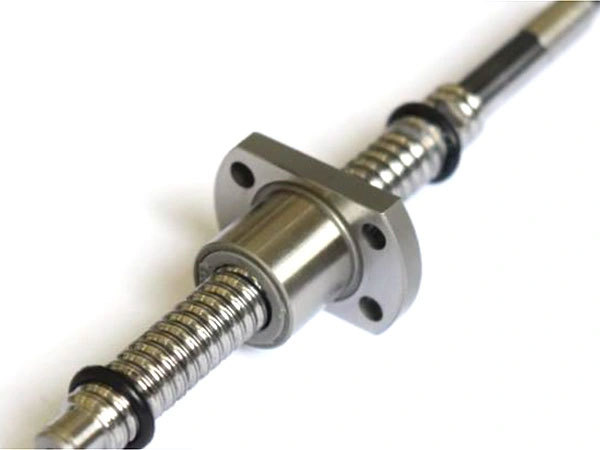
Rolled Miniature Ball Screw
Rolled miniature ball screws use rolled raceways. Compare the published diameter, lead, nut dimensions and load ratings, and specify the required travel accuracy, preload and operating conditions.
View product